










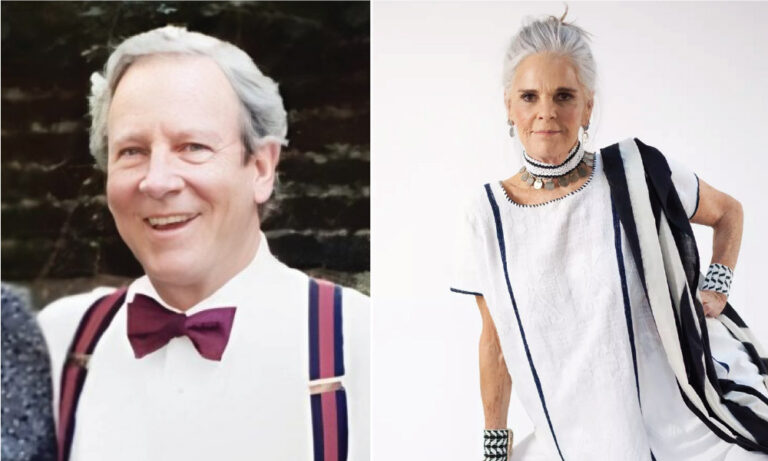
A few years ago, I was reading about famous Hollywood relationships when I stumbled across a name I had never heard before: Robin Hoen.
At first, I assumed he was another actor, producer, or celebrity whose story had faded with time. But the more I looked into his life, the more interesting it became. What caught my attention wasn’t fame or scandal. It was the exact opposite.
Robin Hoen spent most of his life avoiding the spotlight.
That might not sound remarkable at first, but think about it. We live in a world where people often measure success by followers, publicity, and attention. Robin Hoen built a respected career, earned leadership positions in international banking, and maintained his privacy even after being connected to one of Hollywood’s most recognizable stars.
His story offers some valuable lessons about ambition, focus, and personal priorities.
The First Time I Heard About Robin Hoen
Like many people, I originally discovered Robin Hoen through his connection to actress Ali MacGraw.
When people search his name, they’re usually looking for information about that relationship. Yet after learning more about him, I realized that reducing his life to a short marriage doesn’t tell the whole story.
Robin Hoen had his own accomplishments.
He was educated at Harvard University, worked in high-level banking positions, and built a professional reputation based on expertise rather than publicity.
The more I read, the more I appreciated how uncommon that approach has become.
Early Life and Educational Background
Robin Hoen was born as Robert Martin Hoen in Montreal, Canada, in 1937. He grew up in an environment that valued education and hard work, qualities that would later shape his career.
One thing that stands out is his academic achievement.
He attended Harvard University and graduated with a degree in history in 1959. At a time when access to elite education was limited to a relatively small group of students, earning a Harvard degree was a significant accomplishment.
Whenever I read stories like this, I notice a common theme. Successful people often develop habits long before they become successful. Discipline, curiosity, and consistency tend to appear early in their lives.
Robin Hoen seems to fit that pattern.
Building a Career in Banking
After finishing his education, Robin entered the banking industry.
This wasn’t the flashy world of social media entrepreneurs or celebrity investors. Banking required patience, analytical thinking, and long-term commitment.
Over time, he worked his way into leadership positions, including roles with major financial institutions. Reports indicate that he served as a vice president at Chase Manhattan Bank and later held executive responsibilities at Equator Bank.
From personal experience following business leaders, I’ve learned that executive positions rarely happen by accident.
People often see a title and assume success arrived overnight. In reality, careers are usually built through years of preparation, learning, mistakes, and steady progress.
Robin Hoen’s career appears to reflect exactly that.
His Marriage to Ali MacGraw
One chapter of Robin Hoen’s life continues to attract public interest: his marriage to Ali MacGraw.
The two married in 1961 when they were both relatively young. Their relationship, however, lasted only about a year before ending in divorce.
Relationships can be complicated, especially when two people develop different goals and ambitions.
According to accounts of their lives, Robin pursued a path centered on business and finance, while Ali MacGraw moved toward modeling, fashion, and eventually acting. Their lives began moving in different directions.
It’s a situation many people can relate to.
Sometimes relationships don’t fail because someone did something wrong. People simply grow toward different futures.
Choosing Privacy Instead of Public Attention
What fascinates me most about Robin Hoen is what happened after the divorce.
Many people connected to celebrities attempt to stay in the public eye. Some write books. Others give interviews. Some build personal brands around those connections.
Robin Hoen did none of that.
Instead, he continued focusing on his professional life and largely disappeared from public discussion.
I think there’s an important lesson here.
Not every achievement needs an audience.
In a culture where sharing every milestone has become normal, there is something refreshing about someone who preferred meaningful work over public recognition.
Lessons Modern Professionals Can Learn From Robin Hoen
When I look at Robin Hoen’s story, several practical lessons stand out.
Focus on Building Skills
Before titles, promotions, or recognition come skills.
Robin invested in education and expertise. His career was built on competence rather than visibility.
Whether you’re in finance, marketing, software development, or healthcare, skills remain valuable long after trends change.
Don’t Confuse Fame With Success
This is a mistake I’ve seen many people make.
Recognition and success are not always the same thing.
Robin Hoen achieved professional success without becoming a public figure. His story reminds us that a meaningful career doesn’t require constant attention.
Protect Your Privacy
One unexpected lesson from his life involves personal boundaries.
Today, many professionals feel pressure to share every achievement, project, and life update online.
Robin demonstrated that privacy can be a strength.
Keeping certain parts of your life private can help maintain focus and reduce unnecessary distractions.
Think Long-Term
Banking is not an industry known for instant results.
Success often comes through consistent performance over many years.
Robin’s career suggests the value of patience, something that’s increasingly rare in a world obsessed with quick wins.
Common Misconceptions About Robin Hoen
Over time, several misconceptions have developed around his name.
Mistake #1: Assuming He Was Famous
Robin Hoen wasn’t a celebrity in the traditional sense.
Most public interest in him comes from his connection to Ali MacGraw. His own career was primarily in banking and business.
Mistake #2: Thinking His Marriage Defined His Life
While his marriage is frequently mentioned, it represented only a small part of his overall story.
His professional accomplishments occupied far more of his life than that brief relationship.
Mistake #3: Believing Privacy Means Lack of Achievement
Sometimes people assume that if they haven’t heard much about someone, that person must not have accomplished much.
Robin Hoen‘s life suggests otherwise.
Many successful individuals simply choose not to seek public attention.
What Makes His Story Relevant Today?
You might wonder why someone would still be interested in Robin Hoen decades later.
For me, the answer is simple.
His story offers a different definition of success.
We’re constantly exposed to stories about influencers, celebrities, and public personalities. Robin Hoen represents another path—one built on education, professionalism, personal values, and quiet achievement.
That perspective feels increasingly valuable.
Not everyone wants fame.
Not everyone measures success through public recognition.
And not every important life becomes a headline.
Final Thoughts
The more I learned about Robin Hoen, the more I respected his approach to life.
He earned a prestigious education, developed a successful banking career, and maintained his personal values despite occasional public interest in his private life. He proved that meaningful accomplishments don’t always require public attention.
What stands out most isn’t his connection to Hollywood.
It’s the fact that he spent decades building a respected career while remaining focused on what mattered to him.
For anyone feeling pressured to constantly chase visibility, likes, followers, or recognition, Robin Hoen’s story serves as a reminder that success can be quiet, personal, and deeply fulfilling.


