Sports
Miami Game: A Complete Guide to Hotline Miami

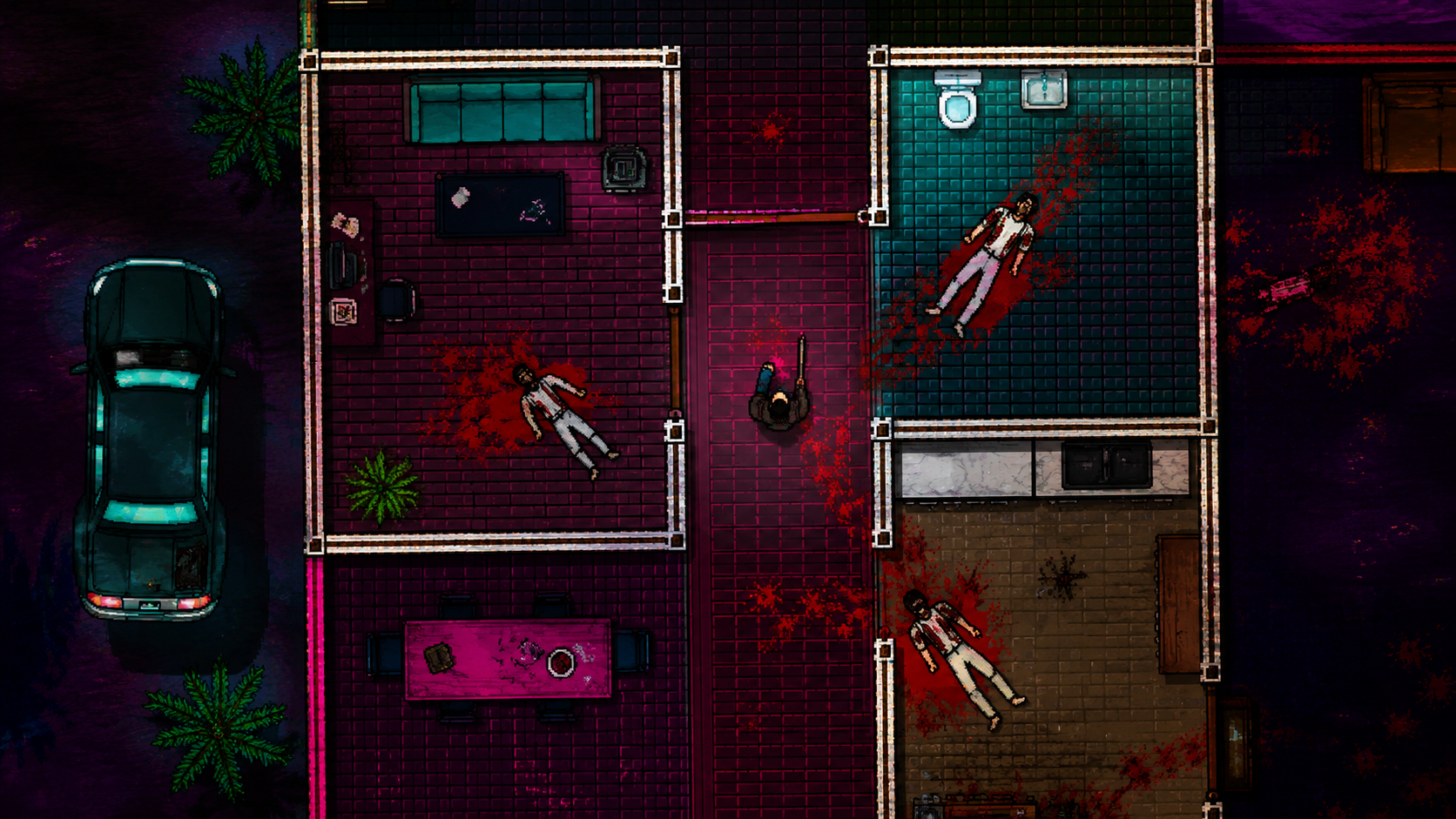
The “Miami game” most people search for is Hotline Miami, a top-down action game set in a neon-soaked, fictionalized version of 1980s Miami. Players take on masked characters who carry out violent missions tied to mysterious phone calls, moving through levels in fast, punishing bursts of action. It’s known for its retro pixel art, pounding synth soundtrack, and a story that questions the player’s own appetite for violence.
What Is the Miami Game, Exactly?
Hotline Miami was developed by the Swedish studio Dennaton Games and released in 2012. It’s a two-dimensional, top-down game viewed from directly above, similar to how you’d look at a floor plan. That camera angle isn’t just a stylistic choice — it shapes how every level plays out, since you can see enemies through walls only if you peek around corners or use tools like a locked door to your advantage.
The game builds its identity on a few key ingredients:
- Instant death, instant restart. One hit usually kills your character, but levels are short enough that failing feels more like a puzzle attempt than a real setback.
- A rotating cast of animal masks. Each mask changes gameplay slightly — one might let you carry an extra weapon, another might make dogs manageable instead of deadly.
- A soundtrack built for the action. Artists like Perturbator, Scattle, and El Huervo contributed tracks that sit somewhere between synthwave and industrial music, and the game is often credited with helping popularize that sound outside niche music circles.
If someone says “the Miami game” in a gaming forum or a Discord chat, there’s a good chance they’re talking about this title, or its sequel, Hotline Miami 2: Wrong Number, released in 2015.
Why the Miami Game Became So Popular
Part of the appeal is timing. Hotline Miami came out during a period when smaller, independent studios were proving that stripped-down mechanics and a strong visual identity could compete with big-budget releases. It didn’t need realistic graphics or a sprawling open world — it needed tight controls and a memorable atmosphere, and it delivered both.
Another part of the appeal is tone. The game doesn’t just let you commit violent acts; it periodically stops and asks, through dream sequences and cryptic dialogue, whether you’re enjoying it a little too much. That self-aware angle gave critics and players something to discuss beyond just the gameplay loop, and it’s a big reason the game still comes up in conversations about violence in video games years later.
How the Miami Game Works
Core Gameplay Loop
Each level in Hotline Miami follows a simple pattern:
- You arrive at a location tied to a phone message you received.
- You clear the building of enemies, using whatever weapons you find or bring in.
- You walk back through the now-empty level to your car, which acts as a kind of reflection walk before the level ends.
- You’re graded on performance, encouraging replays for a better score.
Combat leans on melee weapons found in each level, ranged weapons picked up from downed enemies, and environmental objects like doors that can knock out anyone standing behind them. Ammo is limited, so a firearm is often more useful as a last resort than a main strategy, especially since gunfire attracts every enemy on the floor.
The Story Structure
The narrative unfolds through phone calls, hallucinatory dream sequences, and conversations with masked strangers who never fully explain themselves. Players control more than one character across the story, and the sequel expands this further with multiple perspectives that intersect around the same timeline. The plot deliberately avoids clean answers, which is either a strength or a frustration depending on the player’s taste for ambiguity.
Common Misconceptions About the Miami Game
Misconception: It’s just a mindless shooter. While the action is fast and brutal, the level design rewards planning. Rushing in usually gets you killed within seconds. Players who succeed tend to scout a room, bait enemies one at a time, and use the environment deliberately.
Misconception: The sequel is just more of the same. Hotline Miami 2 shifts pacing, introduces larger levels, and leans harder into the story’s darker implications. Several reviewers noted it plays noticeably different from the original, even though the visual style carries over.
Misconception: The soundtrack is background noise. The music is tightly synced to pacing and tension, and many fans discovered synthwave as a genre specifically because of this soundtrack. It’s frequently cited as one of the most influential video game soundtracks of the 2010s.
Common Mistakes New Players Make
- Treating every room the same way. Enemy placement varies a lot, and a strategy that works in one room can get you killed instantly in the next.
- Ignoring melee weapons. Firearms are loud and limited. A weapon picked up mid-level, like a bat or a machete, is often safer for clearing a room quietly.
- Skipping the walk back to the car. It’s easy to think this part is filler, but it’s part of the intended pacing and narrative rhythm, giving the game a breath after the chaos.
- Assuming a mask changes your health or damage. Most masks affect abilities or perks, not raw survivability, so picking one expecting extra toughness can lead to unnecessary deaths.
Real-World Example: A Typical First Level
Imagine a small apartment building with three rooms. In the first room, two enemies pace near a window. A new player might barge in and get shot within a second. A more careful player opens the door slightly, lets one enemy wander close, then uses the door itself as a weapon before finishing the second enemy with whatever’s on hand. That difference — patience versus instinct — defines most of the game’s difficulty curve.
Key Facts
- Developed by Dennaton Games, a two-person studio based in Sweden.
- Released in October 2012 for PC, later ported to consoles and mobile devices.
- The sequel, Hotline Miami 2: Wrong Number, was released in March 2015.
- The game uses a top-down 2D perspective with pixel-art visuals.
- Its soundtrack features contributions from multiple electronic and synthwave artists.
- The story explores themes of violence, identity, and unreliable narration.
Is the Miami Game Safe or Appropriate for Everyone?
Hotline Miami contains frequent graphic violence, strong language, and disturbing imagery, and it carries a mature content rating in most regions. It’s not intended for younger players, and even adult players sometimes find certain scenes uncomfortable by design — that discomfort is part of the point rather than a side effect. Anyone sensitive to depictions of violence should approach it cautiously or read more about specific content before playing.
Alternatives to the Miami Game
Players who enjoy Hotline Miami’s blend of fast action and stylish presentation sometimes also look into:
- Katana Zero — a side-scrolling action game with a similar neon aesthetic and time-manipulation mechanics.
- Hotline Miami 2: Wrong Number — the direct sequel, for those who haven’t played it yet.
- Ruiner — another top-down action game with a comparable tone and difficulty level.
These aren’t better or worse, just different takes on similar ideas, and each has its own pacing and mechanical twists.
Frequently Asked Questions
What is the Miami game? It’s the common nickname for Hotline Miami, a top-down action game known for its retro visuals, synth soundtrack, and violent, story-driven missions.
How does the Miami game work? Players clear levels of enemies using melee and ranged weapons, guided by phone messages that set up each mission, then walk back to their car before moving to the next level.
Why is the Miami game important in gaming history? It’s frequently credited with helping popularize both a specific visual style — bright pixel art paired with dark themes — and the synthwave music genre within mainstream gaming culture.
Is the Miami game safe for kids? No. It contains graphic violence and mature themes, and it’s rated for adult audiences in most regions.
Is there a sequel to the Miami game? Yes. Hotline Miami 2: Wrong Number continues the story with multiple new characters and expanded level design.
What platforms can you play the Miami game on? It’s available on PC, PlayStation, Xbox, Nintendo Switch, and mobile devices, depending on the specific release.
What should new players know before starting? Expect a steep difficulty curve, frequent deaths, and a story that raises more questions than it answers. Patience and observation matter more than reflexes alone.
Key Takeaways
- The Miami game usually refers to Hotline Miami, a top-down action game from Dennaton Games.
- It’s known for pixel art visuals, a synthwave-heavy soundtrack, and brutal, fast-paced combat.
- The story uses dream sequences and unreliable narration to question the player’s relationship with violence.
- A sequel, Hotline Miami 2: Wrong Number, expands the story and gameplay.
- The game is intended for mature audiences due to graphic content.
Conclusion
Hotline Miami earned its reputation by pairing a simple, punishing gameplay loop with a story that doesn’t let players off the hook for enjoying the violence. Whether someone comes to it for the mechanics, the music, or the mystery behind the phone calls, the game rewards patience and close attention to detail — and it remains a reference point for stylish, story-driven action games years after its release.


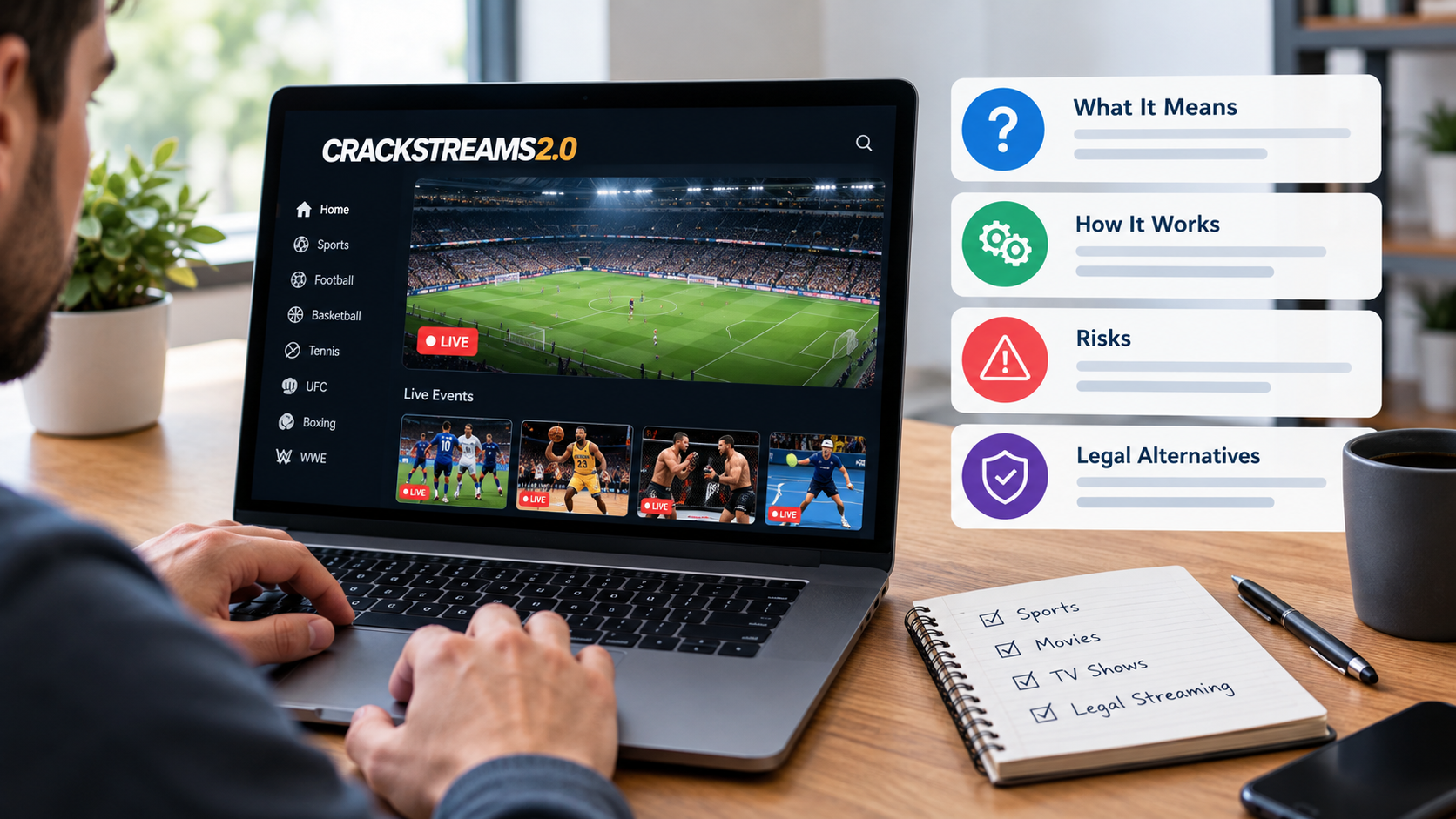
If you have searched for CrackStreams2.0, you may have noticed that the results are confusing. Some pages present it as if it were an upgraded streaming service, while others describe it as a collection of mirror or clone websites. The key point is that CrackStreams2.0 is not a verified official version of the original CrackStreams platform. The name is now commonly used for unrelated websites attempting to attract people looking for free live sports streams.
The original CrackStreams network was among the domains involved in a large sports-piracy operation that the Alliance for Creativity and Entertainment (ACE) announced it had shut down in December 2024. ACE said the operation involved 138 domains, including CrackStreams-related domains, and reported approximately 812 million visits across the network during the preceding 12 months.
Understanding that history helps explain why searches for “CrackStreams2.0” now lead to many different websites rather than one clearly identifiable service.
What Is CrackStreams2.0?
CrackStreams2.0 is a search term and unofficial label used for websites that claim to provide free access to live sports streams. It is not an officially verified successor, software release, or authorized replacement for the original CrackStreams service. Different websites can use the same name, which means their operators, content, security practices, and reliability may differ.
In practical terms, the phrase usually refers to the broader ecosystem of CrackStreams-branded clones, mirrors, and replacement sites that appeared after the original network was disrupted.
Is CrackStreams2.0 an Official Platform?
No verified evidence establishes CrackStreams2.0 as an official product or company-operated second version of CrackStreams.
The “2.0” label can make the service sound like a normal software upgrade. Legitimate products often use version numbers to identify major releases. In this case, however, available reporting describes the term as something used by unrelated operators and websites rather than a documented release from the original service.
This distinction matters because a visitor cannot assume that two websites carrying the CrackStreams2.0 name are operated by the same organization.
One may be completely unrelated to another.
What Happened to the Original CrackStreams?
The history of the name helps explain the current situation.
On December 19, 2024, ACE announced the shutdown of what it described as one of the world’s largest live-sports piracy operations. According to ACE, the Vietnam-based operation included 138 associated domains and had generated about 812 million visits during the previous 12 months. CrackStreams-related domains were among those identified in the operation.
ACE said the operators agreed to transfer the domains to the organization.
That event did not eliminate demand for free sports streams. Instead, the recognizable CrackStreams name continued to appear in search results and on newly created websites.
This helps explain the later appearance of terms such as:
- CrackStreams 2.0
- New CrackStreams
- CrackStreams V2
- CrackStreams V3
- CrackStreams alternatives
These labels should not automatically be interpreted as official versions.
Why Does the CrackStreams2.0 Name Keep Appearing?
There is a simple reason: the name already has search recognition.
When a well-known website disappears, people continue searching for its name. New websites can then use a similar name to attract that existing search demand.
The pattern can look like this:
Original site disappears → users continue searching → new domains appear → users search for the new name → additional clones emerge.
This creates a constantly changing ecosystem.
It also explains why one article may claim that a particular CrackStreams2.0 website is working while another says it is offline. They may be referring to completely different domains.
How Do CrackStreams2.0-Type Websites Usually Work?
Unlike a licensed streaming service, there is generally no single infrastructure behind every site using the CrackStreams2.0 name.
A typical unofficial streaming site may work as a directory or aggregator.
1. A visitor opens a sports page
The website may organize events by sport, date, or competition.
2. The visitor selects an event
For example, a page might display a list of basketball, football, boxing, MMA, or other sporting events.
3. The website provides a stream or external player
The video may be embedded from another server or accessed through a third-party link.
4. Advertising or redirects may appear
Unofficial sites commonly rely on advertising or redirects to generate revenue.
5. The stream may work—or fail
Because the underlying sources and domains can change, availability and quality are inconsistent.
This differs from licensed platforms, where the provider normally has a contractual relationship with the sports league, broadcaster, or rights holder.
What Sports Are Commonly Associated With CrackStreams?
CrackStreams has historically been associated with major live sporting events.
Depending on the particular website, searches may involve:
- NBA basketball
- NFL football
- MLB baseball
- NHL hockey
- UFC and MMA
- Boxing
- Soccer
- Tennis
- Formula 1
- College sports
- Wrestling
However, the availability of a particular event should not be interpreted as evidence that the website has broadcasting rights for it.
Sports broadcasting rights are normally controlled through agreements between leagues, event organizers, broadcasters, and streaming providers.
Why Do CrackStreams2.0 Websites Keep Changing Domains?
Frequent domain changes are one of the defining characteristics of unofficial streaming ecosystems.
Several factors can contribute.
Copyright enforcement
Copyright owners can request removal of infringing material and pursue legal action against operators or intermediaries. The U.S. Copyright Office explains that copyright owners have exclusive rights over certain uses of protected works and that unauthorized uses can constitute infringement.
Domain seizures or transfers
The 2024 ACE operation demonstrates that domain-level enforcement can affect large numbers of websites at once.
Hosting problems
A hosting provider may suspend an account or remove content after receiving complaints or determining that its policies have been violated.
ISP blocking
Some countries or internet providers block access to particular domains associated with unauthorized content.
Clone creation
Once a recognizable domain disappears, unrelated operators may create another website using the same or similar branding.
The result is a cycle in which users see different addresses while assuming they are all versions of the same platform.
Is CrackStreams2.0 Legal?
The legal answer depends on the jurisdiction and the specific conduct, but an unauthorized stream of copyrighted sports content can create copyright issues.
In the United States, the Copyright Office explains that copyright law protects certain exclusive rights, including public performance, and specifically states that unauthorized streaming can implicate the public-performance right.
The Copyright Office also explains that unauthorized reproduction, distribution, or other uses of copyrighted works can constitute infringement.
However, laws differ between countries, and the legal position of a particular viewer can depend on local law and circumstances. Therefore, it would be misleading to claim that exactly the same legal consequences apply to every person everywhere.
For someone considering an unofficial stream, the important distinction is whether the provider has authorization from the relevant rights holder.
What Is Copyright in Sports Streaming?
Sports broadcasts contain copyrighted audiovisual material and may also involve contractual broadcasting rights.
For example, a professional sports league may grant a broadcaster exclusive rights to show certain games in a particular country.
If another party captures and retransmits that broadcast without authorization, the retransmission can interfere with the rights granted to the authorized broadcaster.
The U.S. Copyright Office has specifically stated that streaming transmits a performance to members of the public and can therefore implicate copyright’s public-performance right.
This is why “it’s only a stream” is not automatically a legal defense.
Is CrackStreams2.0 Safe?
There is no consistent safety standard across websites using the CrackStreams2.0 name.
This is one of the biggest practical problems with unofficial clone networks.
A visitor may encounter:
- Aggressive pop-up advertising
- Unexpected redirects
- Fake browser notifications
- Fake video-player buttons
- Suspicious download prompts
- Phishing pages
- Malicious advertisements
- Unwanted browser extensions
- Requests for unnecessary personal information
Not every page will necessarily contain malware, but users have no reliable reason to assume that an anonymous clone is maintained to the same security standards as a major licensed streaming provider.
The absence of a subscription fee does not mean there is no cost. The site may monetize through advertising, redirects, data collection, or other mechanisms.
Can a Fake Play Button Be Dangerous?
Yes.
A common problem on unofficial streaming pages is the presence of multiple buttons that look like video controls.
For example, a user might click what appears to be:
▶ Watch Live
but instead be redirected to an advertising page or prompted to download software.
A useful safety rule is simple:
Do not install software simply because an unofficial streaming page says a player or browser extension is required.
If a website unexpectedly requests a browser extension, executable file, unknown media player, or suspicious “security update,” closing the page is safer than following the instruction.
Does a VPN Make CrackStreams2.0 Legal?
No.
A VPN can change how your internet connection is routed and may provide privacy benefits in certain circumstances, but it does not grant copyright permission.
A VPN does not:
- Create broadcasting rights
- License copyrighted sports content
- Verify the legitimacy of a streaming website
- Remove malware from a webpage
- Turn an unauthorized stream into an authorized one
It is therefore incorrect to describe a VPN as a tool that makes unauthorized sports streaming legal.
The legal effect of VPN use also depends on local law and the specific activity involved.
Can Antivirus Software Make CrackStreams2.0 Completely Safe?
No security tool can guarantee that an unfamiliar website is completely safe.
Antivirus and browser protections can help identify certain known threats, but they cannot guarantee that:
- Every advertisement is safe
- Every redirect is harmless
- Every phishing page is detected
- Every newly created domain is trustworthy
- Every malicious script is blocked
Good security practices still matter.
Keep your operating system and browser updated, avoid downloading unknown files, and never provide sensitive information to a site simply because it displays a professional-looking interface.
Why Do People Search for CrackStreams2.0?
There are several reasons the term continues to attract search interest.
Free access
People may be looking for ways to watch events without paying for a cable package or streaming subscription.
Pay-per-view costs
Boxing and MMA events can sometimes carry separate event fees, which encourages some viewers to search for free alternatives.
Blackout restrictions
Some sports broadcasts have geographic restrictions, leading viewers to search for other options.
Convenience
Unofficial sites may advertise access without account creation or a long subscription process.
Familiarity
People who previously used CrackStreams may search the same brand name after the original network disappeared.
These motivations help explain demand without establishing that the websites themselves are authorized or safe.
CrackStreams2.0 vs Licensed Sports Streaming
The differences are easier to understand when placed side by side.
| Factor | CrackStreams2.0-Type Sites | Licensed Services |
| Broadcasting rights | Generally not verified | Obtained through licensing agreements |
| Domain stability | Often changes | Usually stable |
| Video reliability | Can vary considerably | Generally managed as a commercial service |
| Customer support | Usually limited or unclear | Usually available |
| Security standards | Difficult to verify | Provider has identifiable security policies |
| Advertising | May be aggressive | Depends on the service |
| Account requirements | Varies | Usually defined clearly |
| Legal status | Authorization may be absent | Content is licensed |
| Availability | Can disappear suddenly | More predictable |
This comparison is descriptive rather than a recommendation. The central difference is authorization and accountability.
What Are the Risks of Using Unofficial Sports Streams?
The risks fall into several categories.
Copyright Risk
Unauthorized retransmission can violate copyright or related rights depending on the jurisdiction. The U.S. Copyright Office specifically recognizes unauthorized streaming as potentially implicating copyright’s public-performance right.
Security Risk
Unofficial websites can expose users to malicious advertising, phishing attempts, redirects, or unwanted downloads.
Privacy Risk
An unknown operator may provide little information about how visitor data is handled.
Reliability Risk
A stream can stop in the middle of an important match because the domain, hosting provider, or underlying stream has disappeared.
Financial Risk
A fake site may attempt to collect payment details by pretending that a subscription or verification fee is required.
Common Mistakes People Make
Mistake 1: Assuming “2.0” means an official upgrade
The name alone does not prove that a website is operated by the original CrackStreams team.
Mistake 2: Trusting the first search result
Search ranking does not establish ownership, licensing, or security.
Mistake 3: Assuming HTTPS means the site is legitimate
HTTPS encrypts the connection between the browser and the website. It does not prove that the website is authorized or trustworthy.
Mistake 4: Installing a “required player”
An unfamiliar streaming page should not be trusted simply because it claims that software is necessary.
Mistake 5: Entering payment information
A page displaying a professional checkout screen is not automatically an authorized sports provider.
Mistake 6: Assuming a VPN solves every problem
A VPN does not remove copyright or malware concerns.
Mistake 7: Treating every CrackStreams clone as the same site
Different domains may be controlled by completely different operators.
A Practical Way to Evaluate an Unfamiliar Sports Streaming Site
If you encounter a site claiming to be CrackStreams2.0, you can assess it without attempting to bypass restrictions or find unauthorized streams.
Step 1: Identify the operator
Look for a real company name, ownership information, contact details, and terms of service.
Step 2: Check broadcasting rights
Ask whether the provider identifies the organizations from which it has permission to distribute the event.
Step 3: Examine the website behavior
Unexpected redirects, repeated pop-ups, forced downloads, and fake security warnings are warning signs.
Step 4: Avoid unnecessary accounts
Do not create an account merely because a questionable website says registration is required.
Step 5: Never install unknown software
A video stream should not be an excuse to install an unfamiliar executable or browser extension.
Step 6: Verify the event elsewhere
Official league, team, broadcaster, or competition websites can normally identify authorized viewing options for a particular market.
What Are the Legal Alternatives?
The legitimate alternative depends on the sport, country, and broadcasting rights for the specific event.
For example, sports leagues may distribute games through:
- Official league streaming services
- Licensed television networks
- Authorized streaming platforms
- Regional sports networks
- Official team or competition websites
- Pay-per-view providers
Rights change over time and can differ significantly between countries. A service that legally carries a particular event in one country may not have the same rights elsewhere.
For that reason, the most reliable approach is to check the official website of the league, competition, team, or event and follow its current “where to watch” information.
Real-World Example: A User Looking for an NBA Game
Imagine someone wants to watch an NBA game and searches:
“CrackStreams2.0 NBA live.”
The search may produce several sites with similar names.
Instead of assuming that the first result is the official replacement, the user can:
- Identify the game they want to watch.
- Check the NBA or relevant broadcaster’s official information.
- Determine which service holds the rights in their country.
- Compare the available legal viewing options.
- Avoid websites demanding unknown downloads or suspicious account verification.
This approach also solves a common problem: the user does not have to determine which of several similarly named clone domains is genuine because there is no established official CrackStreams2.0 successor to verify.
Key Facts About CrackStreams2.0
- CrackStreams2.0 is not an established official version of CrackStreams.
- The term is used by multiple unofficial websites and pages.
- The original CrackStreams network was associated with a large sports-piracy operation.
- ACE announced the transfer of 138 domains in December 2024, including CrackStreams-related domains.
- ACE reported 812 million visits across the operation during the preceding 12 months.
- New sites using the CrackStreams name may have no connection with the original operators.
- Unauthorized streaming can raise copyright issues, depending on the jurisdiction and circumstances.
- A VPN does not create broadcasting rights.
- HTTPS does not prove that a website is legitimate.
- Unofficial streaming pages can expose visitors to security and privacy risks.
- Official sports websites and licensed broadcasters are the appropriate sources for determining authorized viewing options.
Frequently Asked Questions
What is CrackStreams2.0?
CrackStreams2.0 is an unofficial term used for websites and pages associated with free live sports streaming under the CrackStreams name. It is not a documented official software version or verified successor to the original service.
Is CrackStreams2.0 an official website?
No verified official CrackStreams2.0 platform has been established. Multiple unrelated websites may use similar branding.
Is CrackStreams2.0 still available?
Websites using the name may appear and disappear, but that does not mean there is a single continuing official service. Domain changes are common among unofficial streaming sites.
Why was CrackStreams shut down?
ACE announced in December 2024 that a large Vietnam-based live-sports piracy operation involving 138 domains had been shut down, including a CrackStreams-related domain.
Is CrackStreams2.0 legal?
The legal position varies by jurisdiction and specific circumstances. Unauthorized streaming of copyrighted content can implicate copyright rights, including public-performance rights under U.S. law.
Is CrackStreams2.0 safe?
There is no consistent security standard because different websites can use the name. Visitors may encounter malicious advertising, phishing attempts, redirects, or suspicious downloads.
Can a VPN make CrackStreams2.0 legal?
No. A VPN changes network routing and may provide privacy features, but it does not grant permission to distribute copyrighted sports broadcasts.
Does HTTPS prove that CrackStreams2.0 is safe?
No. HTTPS protects the connection but does not establish that the website has broadcasting rights or that its operators are trustworthy.
Why does CrackStreams2.0 keep changing domains?
Unofficial streaming domains can disappear because of copyright enforcement, hosting actions, blocking, or other operational problems. New operators may then create replacement domains using the familiar name.
What sports are associated with CrackStreams?
The CrackStreams name has historically been associated with sports such as basketball, football, boxing, MMA, baseball, hockey, and other major live events.
What should I use instead?
For authorized viewing, check the official website of the relevant league, competition, team, broadcaster, or event to identify the licensed viewing options available in your country.
Key Takeaways
- CrackStreams2.0 is a label, not a verified official second-generation platform.
- The original CrackStreams network was part of a major sports-piracy operation targeted by ACE in December 2024.
- The current CrackStreams2.0 search landscape includes unrelated clones and mirror-style websites.
- A website using familiar CrackStreams branding does not necessarily have any connection to the original operators.
- Unauthorized sports streaming can create copyright concerns, with the exact legal consequences depending on local law.
- Unofficial streaming websites can also present security, privacy, advertising, and reliability problems.
- VPNs and antivirus programs do not turn unauthorized streams into licensed services.
- The safest way to identify legitimate viewing options is to check the official rights holder, league, competition, broadcaster, or event website.
Conclusion
CrackStreams2.0 is best understood as a name used around unofficial sports-streaming websites rather than as an official upgraded version of CrackStreams. The distinction is important because different sites using the same branding may have completely different operators, infrastructure, security practices, and content.
The original CrackStreams-related operation was among the domains involved in the large sports-piracy shutdown announced by ACE in December 2024. ACE reported that 138 domains were transferred as part of the action and identified CrackStreams among the affected domains.
The continued appearance of “CrackStreams2.0” does not establish that the original service returned. Instead, it reflects continued demand for free sports streams and the reuse of a recognizable name by newer websites.
For readers, the most useful distinction is between a website that happens to carry the CrackStreams name and a service that actually has authorization to broadcast a particular sporting event. Checking official rights information, avoiding suspicious downloads and redirects, and understanding local copyright rules can help users make informed decisions without relying on unverified claims.
Introduction
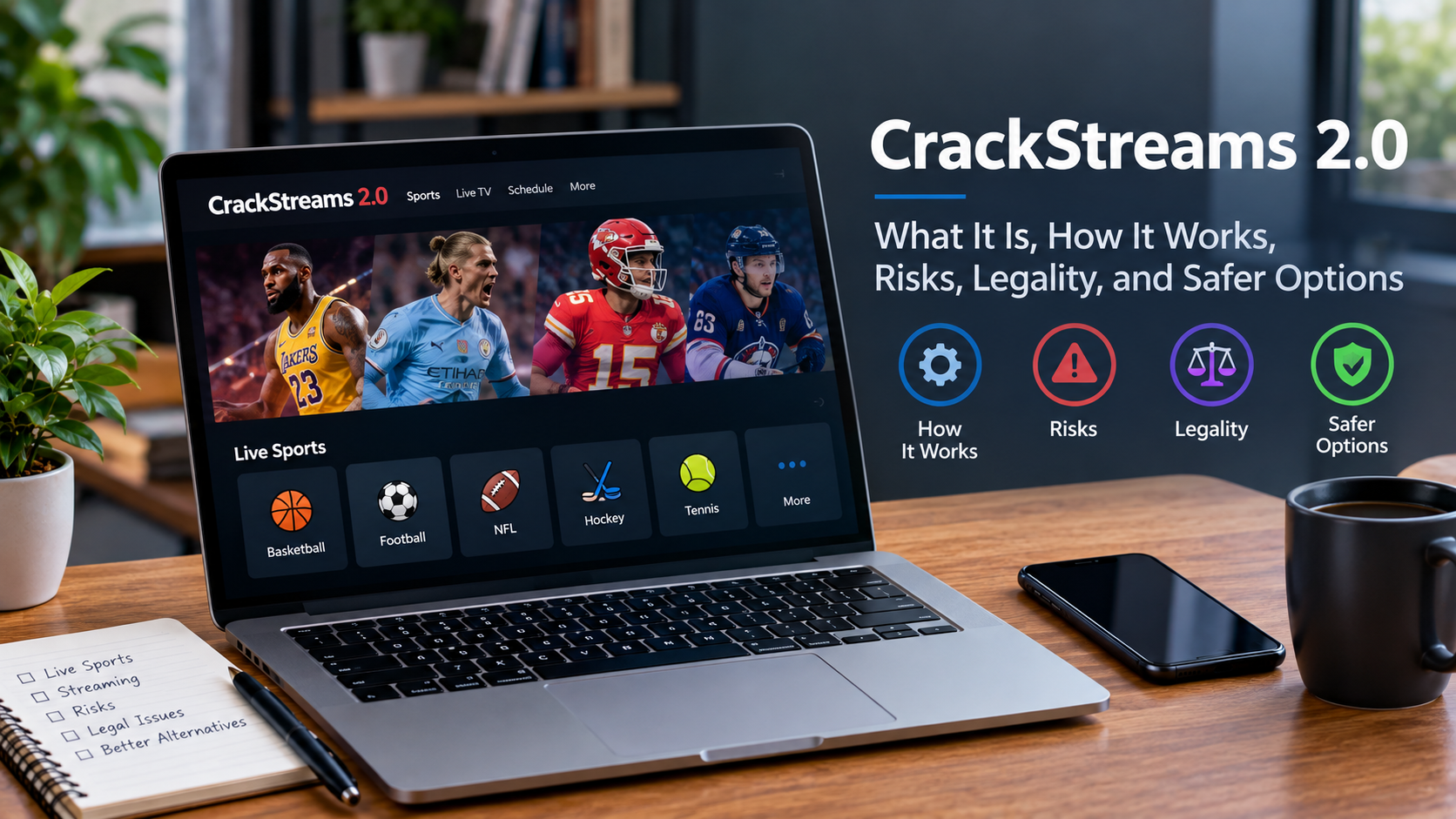
If you have searched for CrackStreams 2.0, you may have noticed that different websites use the name while claiming to provide free access to live sports. That creates an obvious question: is CrackStreams 2.0 a real new platform, an official replacement for the original CrackStreams, or simply another name used by unrelated streaming sites?
The distinction matters because the original CrackStreams operation was part of a major sports-piracy takedown announced by the Alliance for Creativity and Entertainment (ACE) in December 2024. ACE said the operation involved 138 domains and had generated about 812 million visits across the associated sites during the previous 12 months. One of the named domains was crackstreams.dev.
Since then, the phrase “CrackStreams 2.0” has continued to appear online. Current sources generally describe it as a label used for unofficial successor sites, mirrors, or clones rather than a documented software release or official relaunch.
Understanding that difference is the best starting point for evaluating the name, its history, the technology involved, and the risks associated with unauthorized sports streams.
Direct Answer: What Is CrackStreams 2.0?
CrackStreams 2.0 is not a verified official second version of the original CrackStreams service. The term is commonly used online for unofficial websites or successor pages that attempt to provide access to live sports streams after the original CrackStreams operation was disrupted. Different sites may use the same name, so there is no single verified CrackStreams 2.0 platform that can be treated as the official successor.
What Was the Original CrackStreams?
CrackStreams became known as a website associated with free online access to live sports, including major American and international sporting events.
Historical reporting described CrackStreams as an unauthorized sports streaming site that provided links or access to live broadcasts without the normal licensing arrangements associated with official broadcasters. Front Office Sports reported in December 2024 that a CrackStreams domain was among sites that had gone offline during a broader crackdown.
The more significant documented action came from ACE.
On December 19, 2024, ACE announced that operators associated with a large Vietnam-based live sports piracy operation had agreed to transfer 138 domains to the organization. ACE specifically listed crackstreams.dev among the affected domains. The organization reported that the associated sites had received approximately 812 million visits during the preceding 12 months.
That event is important because it explains why searches for the original CrackStreams service can produce confusing results today.
Is CrackStreams 2.0 an Official Relaunch?
There is no reliable evidence of an official product release called CrackStreams 2.0.
The “2.0” wording should therefore not be interpreted in the same way as a normal software upgrade.
When a legitimate application moves from version 1.0 to 2.0, users normally expect a recognizable developer, documented release history, consistent branding, and some continuity between versions.
The CrackStreams situation is different.
Multiple websites can use similar names, domains can change, and unrelated operators can attempt to attract people searching for the original brand. Current sources specifically describe “CrackStreams 2.0” as a label rather than a verified successor.
Why Does the Name Keep Appearing?
There is a straightforward reason.
A well-known name already has search demand. When an established site disappears, other websites may use similar terminology to attract visitors who are looking for the old service.
This creates a cycle:
- A sports streaming site becomes well known.
- The domain becomes unavailable.
- Users continue searching for the brand.
- Other websites use similar names.
- Search results become crowded with mirrors and unrelated pages.
- Users have difficulty determining which, if any, site has a connection to the original operation.
That is why a familiar name or logo should not automatically be treated as proof of ownership or continuity.
How Did CrackStreams-Style Sites Typically Work?
Unauthorized sports streaming sites can use different technical models.
Some host video directly. Others embed video players supplied by another server. Some simply aggregate links and redirect visitors to third-party streaming pages.
The U.S. Copyright Office has described several technical models used for internet streaming, including centralized streaming servers and peer-to-peer systems. It also notes that legitimate streaming technologies can be misused to transmit copyrighted sporting events without permission.
Link Aggregation
In a link-aggregation model, a website acts more like an index.
Instead of necessarily storing every video itself, it may collect links or embedded players from different sources.
This model can make the site appear relatively simple. However, it can also make the viewing experience unpredictable because the external source may disappear, become overloaded, or change without warning.
Embedded Players
Another model uses an embedded video player.
The webpage may display a player inside its own interface while the actual stream is delivered from another server.
This can make it difficult for an ordinary visitor to determine who actually controls the broadcast.
Redirect Chains
Some unofficial streaming pages use multiple redirects before reaching a video player.
A visitor might click a button that looks like “Watch,” only to be sent through several other pages first.
That creates additional security concerns because each redirect introduces another website or service into the browsing process.
Why Do CrackStreams 2.0 Sites Change Domains?
Domain changes are common in unauthorized streaming ecosystems because these services can face enforcement actions, hosting problems, domain suspensions, or blocking.
The original CrackStreams case illustrates the issue. ACE reported that 138 domains connected to the relevant piracy operation were transferred following its investigation.
For users, this means a website that worked previously may suddenly stop loading.
A replacement domain may then appear.
But a new domain does not prove that it is operated by the same people.
This is one of the most important things to understand about the “2.0” label.
Why Are People Interested in CrackStreams 2.0?
The demand is largely connected to the cost and fragmentation of sports broadcasting.
A sports fan may want to watch an NBA game, NFL game, UFC event, boxing match, football match, or another competition but discover that the event is distributed across different broadcasters.
Availability can also vary by country.
This creates several common frustrations:
- A particular event may require a subscription.
- Different sports may be distributed by different companies.
- Regional restrictions may apply.
- A particular match may not be available on the service someone already pays for.
- Broadcast rights can change between seasons.
Unofficial streaming sites attract attention because they appear to remove some of those barriers.
The problem is that convenience does not establish authorization, safety, or reliability.
Is CrackStreams 2.0 Legal?
The answer depends on the specific service, content, jurisdiction, and circumstances, but an unauthorized stream of copyrighted sports content can create copyright-law issues.
The U.S. Copyright Office explains that copyright law protects public performances and recognizes internet streaming as a form through which copyrighted works, including live sporting events, can be transmitted. Unauthorized streaming can implicate copyright rights.
The legal position is not identical in every country.
Copyright laws differ between jurisdictions, and the legal responsibility of an operator can differ from that of an individual viewer.
For that reason, it would be misleading to say that every person who visits a page will face the same legal consequences.
The safer general rule is simple: if a website is showing copyrighted sports programming without authorization from the relevant rights holder, the underlying stream is not equivalent to an officially licensed broadcast.
Why Does Sports Streaming Have Copyright Issues?
Sports broadcasts involve more than the underlying sporting event.
Broadcasters invest in cameras, production crews, commentators, graphics, transmission infrastructure, distribution, and other services.
They also purchase or license broadcasting rights from leagues, teams, event organizers, and other rights holders.
When an unauthorized website retransmits that broadcast without permission, it bypasses the commercial licensing system.
The U.S. Copyright Office has specifically discussed unauthorized online streaming of live sports as a copyright problem.
Is CrackStreams 2.0 Safe?
There is no single CrackStreams 2.0 website that can be independently treated as a verified, standardized service.
That makes a blanket safety claim impossible.
A site using the name today could be operated by someone completely unrelated to the original CrackStreams operation.
That uncertainty itself is a security concern.
Common Technical Risks
Unofficial streaming pages can expose visitors to:
- Aggressive pop-up advertising
- Deceptive download buttons
- Malicious redirects
- Phishing pages
- Fake browser notifications
- Fraudulent subscription prompts
- Potentially harmful files
- Tracking and unwanted data collection
The presence of one of these elements does not prove that every page is malicious. But users should not assume that a site is safe merely because a video player appears to work.
What Is a Malicious Redirect?
A malicious or deceptive redirect occurs when clicking one element unexpectedly sends the visitor to another website.
For example, someone might think they are pressing a play button but instead land on a page claiming:
“Your device is infected. Download this security application.”
That message may be a scam rather than a genuine security warning.
Another common example is a page pretending that a browser update or media player is required.
The important principle is to avoid installing software simply because an unfamiliar streaming page says it is necessary.
What If a Streaming Site Asks for Notifications?
Browser notifications can be useful when used by trusted websites, but granting notification permission to an unfamiliar site can result in unwanted alerts.
Those alerts may contain misleading headlines, advertisements, or links to unrelated pages.
If a site you do not trust asks for notification permission simply to play a video, there is little reason to grant it.
What If You Already Visited a CrackStreams-Style Site?
Visiting a webpage does not automatically mean your device has been compromised.
However, if you interacted with the page, take note of what happened.
If You Only Opened the Page
Close the tab and avoid interacting with suspicious pop-ups or downloads.
Keep your browser and operating system updated.
If You Downloaded a File
Do not open an unfamiliar executable or installation package.
Run an appropriate security scan and remove the file if it is not needed.
If You Granted Notification Permission
Open your browser’s site-permission settings and remove notification permission for the unfamiliar website.
If You Entered a Password
Change that password from a trusted website, particularly if it was reused elsewhere.
If the same password was used on multiple accounts, update those accounts as well.
If You Entered Payment Information
Monitor the relevant account and contact the financial institution if you see unauthorized activity.
The correct response depends on what actually happened, so there is no need to assume the worst simply because a streaming page was opened.
Common Misconceptions About CrackStreams 2.0
Myth 1: “2.0 means it is the official new version.”
There is no reliable evidence supporting that assumption.
Current descriptions generally treat “CrackStreams 2.0” as a label used for unofficial successor pages or clones rather than a documented official version.
Myth 2: “A working domain must be the original site.”
Not necessarily.
A new domain can be operated by an unrelated party.
The continued use of a familiar name does not establish ownership.
Myth 3: “If a stream is free, it is legal.”
Price and copyright authorization are separate issues.
A free broadcast can be completely legitimate if the rights holder has authorized it. Conversely, a free stream can be unauthorized.
Myth 4: “A VPN makes an unauthorized stream legal.”
A VPN changes how internet traffic is routed and can provide privacy benefits in certain contexts, but it does not grant copyright permission.
Using a different IP address does not transform an unauthorized broadcast into an authorized one.
Myth 5: “Every unofficial sports-streaming site is malware.”
That is also too broad.
Different websites have different operators and technical setups.
The more accurate conclusion is that users cannot safely assume that an unfamiliar site is trustworthy simply because it carries a familiar brand name.
Real-World Example: Searching for an NBA Game
Imagine a basketball fan wants to watch a playoff game.
They search for the game and find a page labeled “CrackStreams 2.0.”
The page displays several “Watch Now” buttons.
Instead of immediately clicking through them, the user can first identify:
- Which league is broadcasting the game.
- Which country they are watching from.
- Which official broadcaster holds the rights.
- Whether their existing TV or streaming subscription includes the event.
- Whether the league provides an official viewing option.
This approach answers the actual question—where can I legally watch this particular game?—without relying on an unverified mirror.
Real-World Example: A New “CrackStreams 2.0” Domain Appears
Suppose a new website appears using the CrackStreams name.
It has the same logo and claims to be the “official new site.”
That alone is not enough evidence.
A careful reader would look for independent evidence of ownership and continuity rather than assuming that branding proves a connection.
The history of the original service demonstrates why this matters: ACE documented the transfer of 138 domains in its December 2024 enforcement action, including crackstreams.dev.
What Are Safer Ways to Watch Live Sports?
The most reliable option is to identify the authorized broadcaster for the exact event in your country.
Sports rights are often divided by:
- Country
- League
- Competition
- Season
- Event
- Device
- Broadcast territory
For example, the service showing an NFL game in the United States may not be the same service showing that game in another country.
That is why a general “best streaming service” answer can quickly become outdated.
Instead, identify the exact event first and then check the league, broadcaster, team, or event organizer’s official viewing information.
Free Legal Sports Streaming
Not every legal sports stream requires a paid subscription.
Depending on the sport and country, legitimate options can include:
- Free-to-air television
- Official league websites
- Official team websites
- Authorized promotional broadcasts
- Public broadcasters
- Free trials or limited viewing offers
- Official highlights and replay services
Availability varies, so readers should verify the current rights for the particular event.
Why Official Sources Are More Reliable
Licensed platforms have identifiable operators and established distribution agreements.
They also generally provide clearer information about:
- Pricing
- Supported devices
- Broadcast schedules
- Regional availability
- Customer support
- Privacy policies
- Subscription terms
That does not mean every paid service is perfect.
It means the user has a clearer way to determine who is responsible for the content and service.
Step-by-Step: How to Find a Legal Stream for a Sports Event
Step 1: Identify the Exact Event
Do not search only for “live sports.”
Find the exact league, team, fighter, tournament, or match.
Step 2: Check the Official Competition Website
Look for the competition’s broadcast or viewing information.
Step 3: Check Your Country
Broadcast rights vary by territory.
A service available in one country may not have rights in another.
Step 4: Check Existing Subscriptions
Your current television provider or streaming service may already include the event.
Step 5: Verify the Date and Time
Live events can change schedules because of weather, delays, overtime, or other circumstances.
Step 6: Use the Authorized Provider
Once the official broadcaster is identified, use its website or application rather than an unknown mirror.
Common Mistakes Users Make
Mistake 1: Trusting Search Rankings
A high search position does not prove that a website is authorized or safe.
Search engines organize pages according to many signals. Ranking is not a copyright license.
Mistake 2: Assuming Familiar Branding Means Authenticity
Clone sites can copy names, logos, layouts, and terminology.
Mistake 3: Installing a “Required Player”
A streaming page may claim that a special player, extension, codec, or APK is necessary.
Do not install unfamiliar software simply because a webpage requests it.
Mistake 4: Giving an Unknown Site Notification Permission
There is rarely a good reason to grant notifications to an unfamiliar streaming website.
Mistake 5: Entering Payment Details Into Pop-Ups
Unexpected payment requests should be treated cautiously, especially when they appear through redirects rather than an established broadcaster’s official domain.
Key Facts About CrackStreams 2.0
- CrackStreams 2.0 is not a documented official version of the original CrackStreams service. Current sources describe the term as being used for unofficial successor sites and clones.
- The original CrackStreams operation faced a major enforcement action in December 2024. ACE said operators transferred 138 associated domains.
- CrackStreams.dev was specifically named by ACE among the domains involved in that action.
- ACE reported approximately 812 million visits across the associated illicit sites during the 12 months before the December 2024 action.
- Unauthorized sports streaming can raise copyright issues. The U.S. Copyright Office has specifically discussed unauthorized internet streaming of sporting events.
- A new domain is not automatically an official successor.
- A VPN does not provide copyright authorization.
- Official broadcasters remain the clearest way to verify whether a sports stream is licensed.
Frequently Asked Questions
What is CrackStreams 2.0?
CrackStreams 2.0 is a term used online for unofficial sports-streaming sites, mirrors, and successor pages associated with the CrackStreams name. It is not a verified official software version or universally recognized replacement.
Is CrackStreams 2.0 the same as the original CrackStreams?
Not necessarily. Different operators can use the same name, and there is no reliable basis for treating every current CrackStreams-branded site as part of the original operation.
What happened to the original CrackStreams?
ACE announced in December 2024 that a large Vietnam-based sports-piracy operation had been shut down and that 138 associated domains were transferred to ACE. Crackstreams.dev was among the domains named in the announcement.
Is CrackStreams 2.0 legal?
An unauthorized stream of copyrighted sports programming can create copyright issues. The exact legal consequences depend on the content, conduct, and jurisdiction. The U.S. Copyright Office recognizes unauthorized internet streaming of copyrighted performances, including sporting events, as a copyright concern.
Is CrackStreams 2.0 safe?
There is no single verified CrackStreams 2.0 service whose safety can be established as a whole. Different sites using the name may have different operators, advertisements, redirects, and technical practices.
Why do CrackStreams sites keep changing domains?
Unofficial streaming sites can face domain actions, hosting problems, blocking, or other disruptions. New domains may then appear, sometimes operated by different parties.
Does a VPN make CrackStreams legal?
No. A VPN can change network routing and provide certain privacy functions, but it does not provide permission to access copyrighted content without authorization.
Can I watch sports for free legally?
Sometimes. Depending on the country and event, legal free options can include free-to-air broadcasts, public broadcasters, official streams, and promotional viewing offers.
How can I find out where a game is legally available?
Start with the official league, competition, team, or event website and check the broadcast information for your country. Rights can change by season and territory.
What should I do if I already clicked an unofficial streaming site?
If you only opened the page, close it and avoid interacting with suspicious prompts. If you downloaded software, entered credentials, granted notifications, or supplied payment information, take the appropriate security steps based on what you actually did.
Key Takeaways
- “CrackStreams 2.0” does not represent a verified official version of CrackStreams.
- The term is commonly used for unofficial successor sites, mirrors, or clones.
- The original CrackStreams operation was among the domains affected by a major ACE sports-piracy enforcement action in December 2024.
- ACE reported 138 domains transferred and approximately 812 million visits across the associated sites over the preceding year.
- A familiar name, logo, or domain does not prove that a site is operated by the original organization.
- Unauthorized sports streams can raise copyright issues.
- Unofficial streaming pages may also expose users to deceptive advertising, redirects, phishing, or unwanted downloads.
- A VPN does not turn an unauthorized broadcast into a licensed one.
- The most reliable way to find a legitimate stream is to identify the exact event and check its authorized broadcaster in your country.
- Free legal viewing can sometimes be available through official broadcasts, public broadcasters, or promotional offers.
Conclusion
CrackStreams 2.0 is better understood as a search term and label than as a verified second-generation streaming platform. The name is now associated with various unofficial pages that attempt to fill the demand created by the disappearance of the original CrackStreams operation.
The history is well documented. In December 2024, ACE announced the shutdown of a major live-sports piracy operation and the transfer of 138 associated domains, including crackstreams.dev.
That history also explains why users should be cautious when encountering a new site claiming to be the “real” CrackStreams 2.0. A new domain can belong to an unrelated operator, and a copied brand does not establish authenticity.
For sports fans, the practical approach is to focus on the event rather than the brand name. Identify the exact game or competition, determine which broadcaster holds the rights in your country, and use an authorized source. That provides clearer information about availability, legality, security, and service reliability than chasing changing unofficial domains.
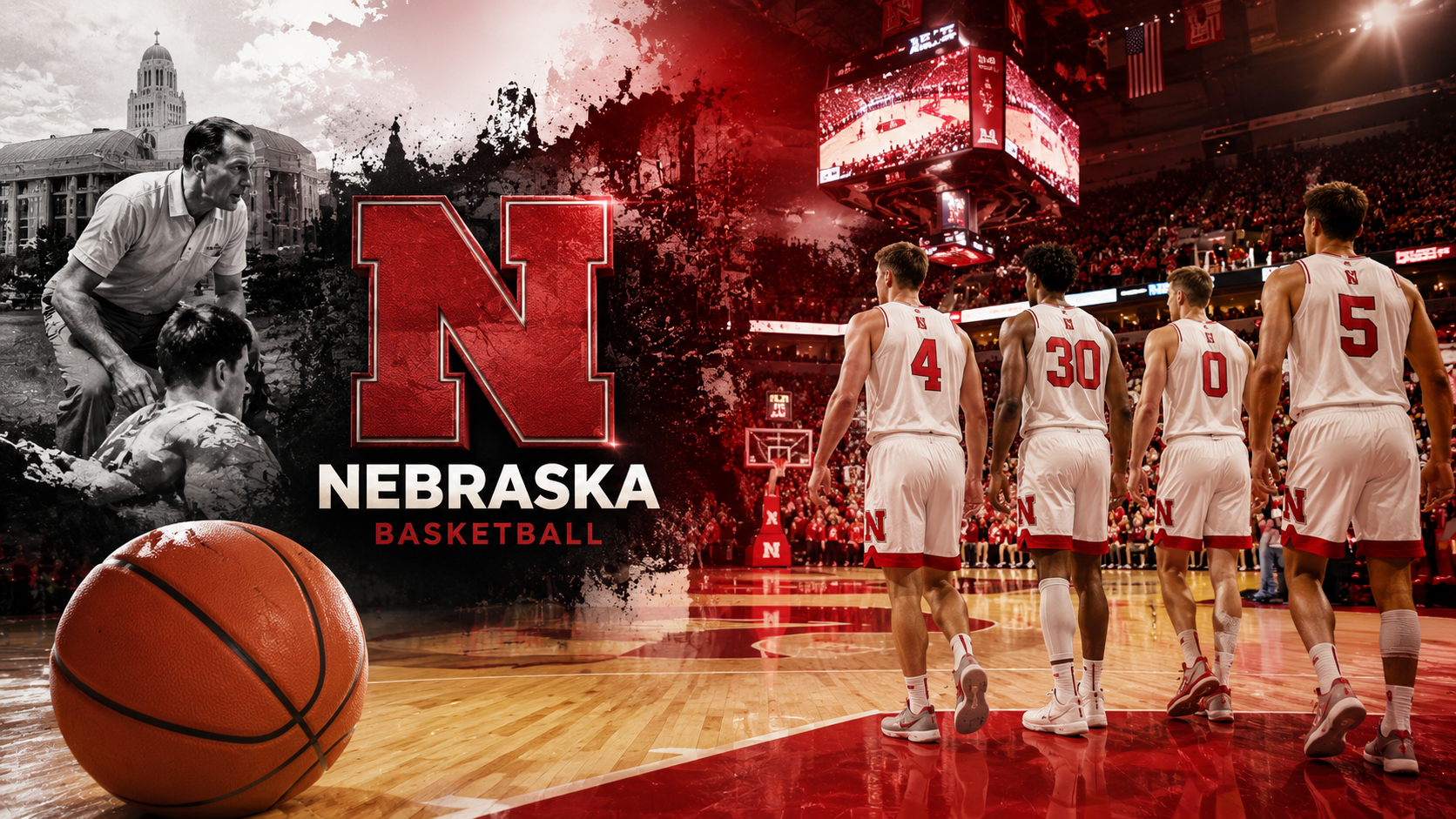
Nebraska basketball refers to the men’s basketball program at the University of Nebraska–Lincoln, a member of the Big Ten Conference that plays home games at Pinnacle Bank Arena. Under head coach Fred Hoiberg, the program set a school record with 28 wins in the 2025-26 season and reached the Sweet 16 for the first time in its 125-plus-year history. The team is known for uptempo offense, strong perimeter shooting, and a fan base that has waited decades for sustained national relevance.
Why People Are Talking About the Program Right Now
For most of its history, the program existed in the shadow of football. The Huskers had made the NCAA Tournament only a handful of times, and postseason success was rare even by Big Ten standards. That changed dramatically during the 2025-26 season, when the team opened with a 20-game winning streak, the longest in program history, and climbed as high as No. 5 in the AP poll.
If you’re searching for information on this program, you’re probably trying to answer one of a few questions: How did the team suddenly become good? Who is the coach? What happened in the NCAA Tournament? And is this success likely to continue? This article walks through all of it, with context on the program’s history, its current roster and coaching staff, and what makes the team’s style of play distinct.
A Brief History of the Program
The University of Nebraska–Lincoln has fielded a men’s basketball team for over 125 years, making it one of the older programs in Division I. For most of that span, the team competed respectably in its conference but rarely broke through nationally. Nebraska has had 28 head coaches across its history, including Jerry Bush, who led the program for nine seasons in the 1950s and is, notably, the grandfather of the current head coach.
Before the current era, the most recent high point for the Huskers had been under coach Tim Miles, who won Big Ten Coach of the Year honors in 2014 after guiding the Huskers back to the NCAA Tournament. But sustained success remained elusive. The program moved from the Big 12 to the Big Ten Conference in 2011, joining a league known for physical, defense-oriented basketball, which made building a nationally competitive roster even more challenging.
The Hoiberg Era: How the Program Turned a Corner
Fred Hoiberg took over as head coach in 2019. Born in Lincoln, Hoiberg has deep family ties to the university: his grandfather Jerry Bush was a former Husker coach, another grandfather taught history at the school, and his father earned a doctorate there. Before returning home, Hoiberg had already built a track record as a head coach at Iowa State and in the NBA with the Chicago Bulls.
His first several seasons in Lincoln were a rebuilding process. Progress was gradual but real: Nebraska returned to the NCAA Tournament in the 2023-24 season for the first time since 2014, finishing 23-11. That set the stage for what came next.
Over Hoiberg’s tenure, the program has assembled a stable coaching staff that has stuck together and grown. Associate Head Coach Nate Loenser, who serves as the team’s defensive coordinator, has been on staff for six seasons and is credited with helping the defense improve every year, culminating in a top-10 national ranking in defensive efficiency during the breakout season. Assistant coach Ernie Zeigler, a veteran of ten NCAA Tournament teams across his career, has helped shape the offensive game plan and recruiting strategy. Assistant Pat Monaghan and general manager Luca Virgilio round out a staff that all signed contract extensions in 2026 after the program’s most successful season in decades.
The Breakthrough 2025-26 Season
The 2025-26 season is the reason most people are searching for this program today. Here is what happened, in plain terms:
- Nebraska opened the season with a 20-game winning streak, breaking the program’s previous record of 10 straight wins, set back in the 1977-78 season.
- The team climbed to No. 5 in the AP Top 25 in late January, the highest ranking any Nebraska athletic program had reached that season.
- The winning streak ended with a narrow 75-72 loss to No. 3 Michigan.
- Nebraska finished the regular season 28-7 overall and 15-5 in Big Ten play, ending the year ranked No. 14 in both the AP and Coaches polls.
- The Huskers earned an at-large bid to the NCAA Tournament and won their first-ever NCAA Tournament game, defeating Troy 76-47.
- Nebraska then beat Vanderbilt 74-72 in the Round of 32, advancing to the Sweet 16 for the first time in program history.
- The season ended with a hard-fought 77-71 loss to rival Iowa in the Sweet 16.
For context, a 20-game winning streak of this length is rare in modern college basketball, where roster turnover and the transfer portal make sustained hot streaks harder to maintain than in past decades. Reaching the Sweet 16 for the first time after more than a century of program history is the kind of milestone that reshapes how a fan base and a recruiting class view a program going forward.
Fred Hoiberg’s work that season did not go unnoticed nationally. He was named the Associated Press Coach of the Year for men’s college basketball, receiving 17 of 61 media votes to edge out Duke’s Jon Scheyer and Arizona’s Tommy Lloyd. He also earned Big Ten Coach of the Year honors, becoming the first Husker coach to win a conference coach of the year award since Tim Miles in 2014.
Key Players Behind the Run
While coaching stability mattered, the season’s success also came down to player development and a roster built around several standout contributors. Multiple Nebraska players earned All-Big Ten recognition during Hoiberg’s tenure, including Pryce Sandfort and Sam Hoiberg in the 2025-26 season, along with earlier honorees Brice Williams, Keisei Tominaga, Rienk Mast, Derrick Walker, and Bryce McGowens. That list reflects a program that has produced conference-level talent in back-to-back-to-back seasons rather than relying on a single standout class.
Defensively, the team’s improvement was just as important as its offensive firepower. Nebraska ranked in the top 25 nationally in both field goal defense and three-point defense during the 2025-26 season, and led the Big Ten in scoring defense at 66.2 points allowed per game. That kind of defensive identity is often what separates teams that make deep tournament runs from teams that simply score a lot of points.
What Makes Nebraska’s Style of Play Distinct
A common misconception about mid-major-turned-Big-Ten programs is that they succeed purely through fast, loose, high-scoring offense. Nebraska’s 2025-26 season tells a more balanced story. The Huskers combined:
- Offensive tempo and spacing, built around perimeter shooting and ball movement.
- Disciplined half-court defense, which improved every season under defensive coordinator Nate Loenser.
- Depth and continuity, with players who developed over multiple seasons rather than a roster built entirely through one-year transfers.
This combination matters for understanding why the breakthrough season wasn’t a fluke tied to one hot shooting stretch. Teams that win primarily through three-point shooting variance tend to be inconsistent from game to game. Nebraska’s defensive ranking suggests a more repeatable formula, which is one reason the program’s ceiling going forward is a frequent topic of conversation among college basketball analysts.
Common Questions About the Program
Is the program part of the Big Ten?
Yes. Nebraska basketball joined the Big Ten Conference in 2011 after previously competing in the Big 12. The move brought the Huskers into one of the sport’s toughest conferences, known for physical play and strong defensive teams.
Where does Nebraska play its home games?
The team plays home games at Pinnacle Bank Arena in Lincoln, Nebraska. The arena has become known for a loud, supportive atmosphere, especially as the program’s success has grown.
Who is the head coach of the team?
Fred Hoiberg has been the head coach since 2019. He is entering his eighth season in charge, and his 2025-26 season was recognized nationally, including AP Coach of the Year honors.
Has Nebraska ever won an NCAA Tournament game before 2026?
No. Nebraska’s win over Troy in March 2026 was the program’s first-ever NCAA Tournament victory after eight prior tournament appearances without a win. The Huskers followed it with a second win over Vanderbilt before their Sweet 16 loss to Iowa.
Is Nebraska the same program as Creighton?
No, and this is a common point of confusion. Creighton is a separate university located in Omaha, Nebraska, and competes in the Big East Conference, not the Big Ten. The two programs are considered in-state rivals but are entirely separate schools with separate athletic departments.
Why did Nebraska’s winning streak matter so much?
A 20-game winning streak to open a season is unusual in modern college basketball because of roster turnover from the transfer portal and the general parity across Division I. For Nebraska specifically, it broke a program record that had stood since the 1970s and helped the team reach its highest national ranking in school history.
Common Misconceptions About the Program
One frequent misunderstanding is that Nebraska’s 2025-26 success came out of nowhere. In reality, it followed several years of steady, visible progress: a return to the NCAA Tournament in 2023-24, roster continuity, and a coaching staff that stayed together and grew its responsibilities rather than experiencing constant turnover. Programs rarely jump from irrelevance to a Sweet 16 in a single year without groundwork already in place.
Another misconception is that the basketball and football programs at Nebraska operate at a similar level of historical success. Football has been the university’s flagship program for decades, while basketball spent much of that same period rebuilding relevance. The 2025-26 season marked one of the first times basketball generated comparable national attention within the athletic department.
Key Facts About the Program
- The program is a Division I men’s team competing in the Big Ten Conference.
- The team plays home games at Pinnacle Bank Arena in Lincoln, Nebraska.
- Fred Hoiberg has served as head coach since 2019 and is in his eighth season in 2026-27.
- The 2025-26 Nebraska basketball season produced a 28-7 record, a school-record 20-game winning streak, and the program’s first Sweet 16 appearance.
- Hoiberg was named both AP and Big Ten Coach of the Year following that season.
- Nebraska led the Big Ten in scoring defense during the 2025-26 season.
- The program has existed for more than 125 years and has had 28 head coaches.
Considerations Going Forward
Sustaining success after a breakout season is one of the harder challenges in college athletics, particularly with roster turnover through graduation and the transfer portal. The Huskers will face the usual questions any program does after a milestone year: can the coaching staff retain key contributors, recruit at a level consistent with newfound national visibility, and avoid the letdown that sometimes follows a historic season. The program’s coaching continuity, evidenced by multi-year extensions signed in 2026, is generally viewed as a stabilizing factor.
It’s also worth noting that one strong season doesn’t erase decades of inconsistent history. The program still has a shorter track record of sustained national relevance compared with traditional Big Ten powers. Whether the 2025-26 season becomes a turning point or a high-water mark will depend largely on how the program performs over the next several seasons, not on the results of any single year.
FAQ
What is the program known for right now? Nebraska basketball is currently known for its 2025-26 breakthrough season, which included a school-record 28 wins, a 20-game winning streak, and the program’s first Sweet 16 appearance.
How does the coaching staff work together? Head coach Fred Hoiberg leads the program, with Associate Head Coach Nate Loenser overseeing defense, and assistants Ernie Zeigler and Pat Monaghan contributing to offensive game planning and recruiting, respectively.
Why is the Sweet 16 run considered historic? Because Nebraska had never won an NCAA Tournament game before 2026, despite eight prior tournament appearances. Reaching the Sweet 16 in the same season as the program’s first tournament win was an unprecedented jump.
Is the team considered a rebuilding program or a contender? As of the 2026-27 season, Nebraska is generally viewed as a program transitioning from rebuilding status to a legitimate Big Ten contender, though that status will likely be tested over the next few seasons.
What should someone new to the program know before following it? Newcomers should know that Nebraska competes in the Big Ten, plays at Pinnacle Bank Arena, and is coming off the most successful season in program history under coach Fred Hoiberg, but that the program’s longer-term history includes long stretches without tournament success.
Key Takeaways
- The program competes in the Big Ten Conference and is based in Lincoln, Nebraska, playing at Pinnacle Bank Arena.
- The 2025-26 season was the most successful in program history, featuring a 28-7 record and the first Sweet 16 appearance ever.
- Head coach Fred Hoiberg was named national and conference Coach of the Year after that season.
- The team’s success combined offensive scoring with a top-tier defense, not just hot shooting.
- Nebraska is a separate program from Creighton, which plays in the Big East.
- Sustaining this level of success will be the next major test for the program.
Conclusion
The program has moved from one known mostly for its long championship drought to one of the more talked-about stories in college basketball, driven by a historic 2025-26 season, a nationally recognized coaching staff, and a roster that balanced scoring with genuine defensive improvement. Understanding where Nebraska basketball has been, from over a century of modest results to its recent Big Ten success, helps explain why this season resonated so strongly with fans and analysts alike. What happens next will determine whether this marks a lasting shift for the program or a standout chapter within a longer, more uneven history.

Profitieren Spieler von Wettanbietern ohne LUGAS? Was sind die Fakten?
Alterspin Casino – Der Spieler ist der Wettbewerb
Thrills Under the Eclipse

Who Is David Muir? Inside the Career of ABC’s World News Tonight Anchor

Miami Game: A Complete Guide to Hotline Miami

Amber Heard: Career the Depp Trial and Life Today
-
 News3 months ago
Who Is David Muir? Inside the Career of ABC’s World News Tonight Anchor
-
 News3 months ago
Amber Heard: Career the Depp Trial and Life Today
-
 Sports3 months ago
Nebraska Basketball: A Complete Guide to the Program Its History and Its Recent Rise
-

 News3 months ago
Lollapalooza 2025: Everything You Need to Know About Chicago’s Biggest Music Festival
-

 News3 months ago
Astros News: What’s Happening With Houston Right Now
-
 Business1 month ago
Nhentwi: Meaning, Possible Connection to Nhentai, Search Context, Safety, and Copyright
-
 Sports1 month ago
CrackStreams 2.0 What It Is, How It Works, Risks, Legality, and Safer Options
-
 Business1 month ago
Simpcitt: What It Is, Meaning, Website, Content, and What Users Should Know