








A few years ago, I made a mistake that a lot of people won’t openly admit anymore.
I searched for a cracked version of expensive software because I didn’t want to pay for a subscription I could barely afford at the time.
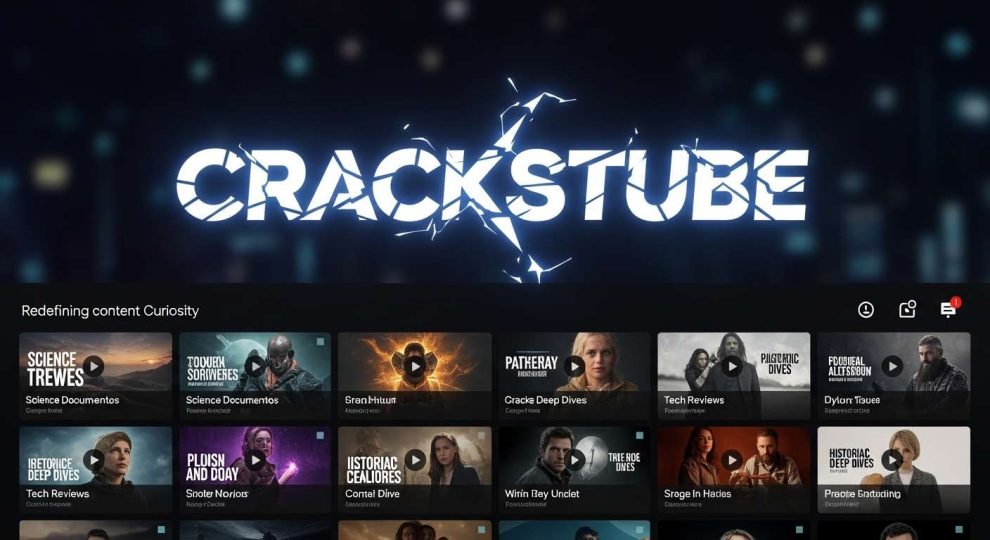
One search led me to a site called “Crackstube.”
At first glance, it looked exactly like the kind of website many people stumble across when searching for free apps, modified tools, unlocked games, or premium software downloads. Flashy buttons, big promises, comments claiming everything worked perfectly — the usual setup.
I almost downloaded three different files before realizing something felt off.
And honestly, that experience completely changed how I look at cracked software websites online.
If you searched for “Crackstube,” chances are you’re either curious about what it is, wondering if it’s safe, or trying to understand why these types of sites keep appearing everywhere online.
After years of dealing with software downloads, fake installers, malware scares, and sketchy websites, here’s the honest breakdown I wish someone had given me earlier.
The First Red Flag I Ignored
The biggest mistake I made was focusing only on the word “free.”
That’s how most people get pulled in.
When software costs hundreds of dollars yearly, it’s tempting to search for alternatives. I completely understand why people do it.
Back then, I was trying to install editing software for a side project and couldn’t justify paying full price yet.
I searched phrases like:
- “free premium software”
- “full version no license”
- “cracked installer”
- “activation bypass”
And eventually landed on websites similar to Crackstube.
The problem is that many of these sites rely on urgency and excitement. They make users stop thinking critically.
That’s exactly what almost happened to me.
What Sites Like Crackstube Usually Offer
From my experience, these websites commonly advertise:
- cracked software
- modified applications
- unlocked premium tools
- free game downloads
- activation keys
- patched installers
Sometimes they even mimic legitimate download pages surprisingly well.
I remember one page looking almost identical to a real software company website except for tiny details most people wouldn’t notice immediately.
That’s why newer internet users often get trapped.
The Unexpected Problem Nobody Mentions
People usually focus on legality when discussing cracked software.
But honestly, the bigger issue I encountered was security.
The first suspicious file I downloaded years ago completely slowed my laptop within hours.
Nothing dramatic happened instantly.
That’s the scary part.
The computer just became:
- slower
- louder
- unstable
- weirdly hot during normal tasks
At first, I blamed Windows updates.
Then browser tabs started opening strangely.
That’s when I realized I probably installed something malicious alongside the software.
How I Fixed the Damage
Honestly, I handled it badly at first.
I kept trying random “PC cleaner” tools instead of addressing the real issue.
Eventually, I learned the proper process.
Step 1: Disconnect From the Internet
If you think you downloaded something suspicious, disconnect immediately.
That prevents background communication with unknown servers.
Step 2: Run Real Security Scans
I started using trusted tools like:
Honestly, Malwarebytes caught things my original antivirus completely missed.
Step 3: Remove Suspicious Programs
I checked:
- startup apps
- browser extensions
- background processes
That revealed several strange programs I never intentionally installed.
Step 4: Reset Passwords
This part matters more than most people realize.
If malicious software gets installed, passwords can become vulnerable too.
I changed passwords for:
- banking
- social media
- gaming accounts
Immediately.
Why Crack Sites Stay Popular Anyway
Even after my bad experience, I still understand why sites like Crackstube attract users.
Software subscriptions have become expensive.
Really expensive.
Students, freelancers, and beginners often feel locked out of professional tools because monthly costs add up fast.
I remember calculating my monthly subscriptions once and realizing I was paying more for software than my internet bill.
That frustration drives people toward unofficial downloads.
The Better Alternatives I Eventually Found
This was the biggest lesson for me personally.
Most people searching crack sites aren’t trying to “hack” anything maliciously. They’re just looking for affordable access.
Once I started researching properly, I found legitimate alternatives that actually worked better long-term.
Here are a few examples I personally ended up using.
For Photo Editing
Instead of cracked premium software, I tried:
Honestly, Canva surprised me the most for quick projects.
For Video Editing
I eventually switched to:
The free version is far more powerful than most people realize.
For Office Work
Instead of sketchy downloads, I started using:
And honestly, they handled 90% of my needs.
One Mistake People Keep Making
A lot of users assume:
“If thousands downloaded it, it must be safe.”
That logic fails constantly online.
Fake comments, automated reviews, and manipulated download counters are extremely common now.
I learned this the hard way after trusting user comments under one cracked installer years ago.
Most were probably fake.
The Emotional Side Nobody Talks About
This might sound dramatic, but dealing with malware stress is exhausting.
After my computer problems started, I became paranoid about every login notification and every strange browser behavior.
I remember checking my email activity constantly for weeks.
That anxiety alone made the “free software” completely not worth it.
Why Crack Sites Often Keep Changing Domains
Something else I noticed over time:
These websites constantly disappear and reappear under slightly different names.
That happens because:
- domains get reported
- search rankings change
- hosting issues occur
- security concerns spread
You’ll often see users searching:
- “new crackstube site”
- “crackstube alternative”
- “crackstube working link”
That cycle repeats endlessly across similar websites.
How I Evaluate Downloads Now
My habits changed completely after those experiences.
Now before downloading anything, I check:
Official Sources First
If software has an official free trial, I use that instead.
Reddit Discussions
I sometimes read community feedback on:
But carefully — not every recommendation there is trustworthy either.
Virus Scanning
I use:
to check suspicious files before opening them.
Honestly, this tool alone saved me multiple times.
The Bigger Problem With Pirated Software
Beyond malware risks, cracked applications often stop receiving:
- updates
- security patches
- bug fixes
- cloud support
That creates long-term headaches.
I once lost hours of work because a modified application crashed repeatedly during export.
At that point, the “free” version became more expensive in wasted time.
What I’d Tell Beginners Now
If someone asked me today whether sites like Crackstube are worth the risk, I’d say this:
Short-term savings can create long-term problems surprisingly fast.
I completely understand the temptation because I’ve been there myself.
But there are now far more legitimate low-cost and free alternatives than people realize.
And honestly, the peace of mind matters.
Not worrying about malware, stolen passwords, or broken files makes a huge difference.
Final Thoughts
Looking back, my experience with sites like Crackstube taught me something important about internet culture.
Convenience often hides risk.
When something promises unlimited premium software for free with zero downsides, it’s worth slowing down and asking questions first.
I’m not pretending I’ve never been tempted by cracked software searches. Most people who spend enough time online probably have at some point.
But after dealing with malware scares, system problems, and wasted time fixing broken installs, I eventually realized reliable software matters more than quick shortcuts.
And honestly, finding legitimate alternatives turned out to be easier than constantly gambling with suspicious downloads.