









In an age where precision, consistency, and efficiency define success, even the way we cook is being reimagined. Enter souvite a modern culinary approach inspired by the principles of Sous vide that is transforming kitchens into controlled data-driven environments. What once belonged to high-end restaurants is now influencing startups food technology platforms, and even home cooking ecosystems.
For entrepreneurs and tech professionals, souvite is more than a cooking trend. It represents a broader shift toward precision systems—where outcomes are engineered, variables are controlled, and processes are optimized. In many ways, souvite mirrors how modern startups operate: iterative, data-informed, and relentlessly focused on quality.
What Is Souvite and Why It Matters
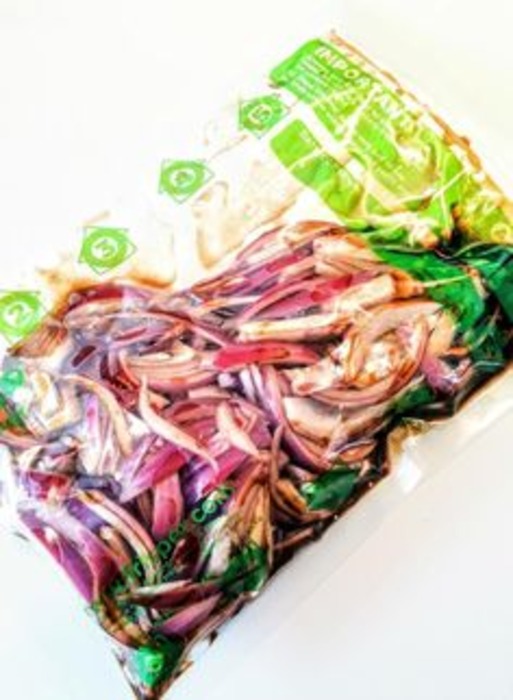
Souvite refers to a precision cooking method where food is sealed and cooked at carefully controlled temperatures over extended periods. Unlike traditional cooking methods that rely on intuition and timing, souvite uses exact temperature control to achieve consistent results.
This approach eliminates guesswork. Whether it’s a steak cooked to the perfect medium-rare or vegetables retaining their nutrients and texture, souvite ensures predictable outcomes.
But the significance of souvite extends beyond the kitchen. It reflects a mindset—one that values control, repeatability, and optimization. For startups, this mindset is directly applicable to product development, operations, and scaling.
The Science Behind Souvite
At the heart of souvite is temperature control. Food is cooked at a constant, low temperature, often using water baths or precision devices. This allows proteins to cook evenly without overcooking, preserving flavor and texture.
Traditional cooking methods often expose food to high heat, leading to uneven results. Souvite, on the other hand, ensures that every part of the food reaches the desired temperature simultaneously.
This scientific approach aligns with trends in food tech, where data and experimentation drive innovation. By understanding the underlying principles, startups can develop new products and services that leverage souvite techniques.
Souvite vs Traditional Cooking Methods
To better understand the impact of souvite, it’s useful to compare it with conventional cooking approaches.
| Aspect | Traditional Cooking | Souvite Approach |
|---|---|---|
| Temperature Control | अनुमान-based, variable | Precise and consistent |
| Cooking Time | Short, high heat | Longer, low temperature |
| Consistency | Varies | Highly consistent |
| Skill Dependency | High | Moderate |
| Nutrient Retention | Lower | Higher |
This comparison highlights why souvite is gaining popularity. It democratizes high-quality cooking, making it accessible to both professionals and home users.
Souvite in the Modern Food Industry
The food industry is undergoing a transformation, driven by technology and changing consumer preferences. Souvite is at the forefront of this shift.
Restaurants are using souvite to maintain consistency across locations. Cloud kitchens are leveraging it to streamline operations and reduce waste. Meal kit companies are incorporating souvite techniques to deliver restaurant-quality experiences at home.
For startups, this creates a range of opportunities. From developing smart cooking devices to creating pre-prepared souvite meals, the possibilities are vast.
The rise of delivery platforms has further amplified the importance of consistency. Customers expect the same quality every time, and souvite makes this possible.
The Role of Technology in Souvite
Technology is a key enabler of souvite. Devices equipped with sensors and connectivity allow users to control cooking processes with precision.
Smart sous vide machines can be operated through mobile apps, enabling remote monitoring and adjustments. This integration of hardware and software reflects broader trends in the Internet of Things (IoT).
For tech entrepreneurs, this is a fertile ground for innovation. Developing connected kitchen ecosystems, integrating AI for recipe optimization, and creating data-driven cooking platforms are just a few possibilities.
Souvite is not just about cooking—it’s about creating intelligent systems that enhance user experiences.
Why Startups Should Pay Attention to Souvite
At first glance, souvite may seem like a niche culinary technique. However, its underlying principles have broad applications.
For startups in food tech, souvite offers a way to differentiate products through quality and consistency. It also enables scalability, as processes can be standardized and replicated.
Beyond food, the concept of precision and control can be applied to other industries. Whether it’s manufacturing, software development, or logistics, the ability to optimize processes is a key competitive advantage.
Souvite also aligns with consumer trends. As people become more health-conscious and quality-focused, demand for precision cooking solutions is likely to grow.
Implementing Souvite in Business Models
Integrating souvite into a business requires careful planning. It’s not just about adopting a technique—it’s about designing processes that leverage its benefits.
For food startups, this might involve developing standardized recipes that can be replicated across locations. For hardware companies it could mean designing user-friendly devices that simplify the cooking process.
Data plays a crucial role. By analyzing user behavior and cooking outcomes businesses can refine their offerings and improve customer satisfaction.
Partnerships can also be valuable. Collaborating with chefs nutritionists and technology providers can accelerate innovation and enhance credibility.
Challenges in Adopting Souvite
Despite its advantages souvite comes with challenges. One of the main barriers is perception. Some consumers view it as complex or time-consuming.
Education is key to overcoming this. Businesses must communicate the benefits clearly and make the process accessible.
Cost can also be a factor. High-quality souvite equipment requires an upfront investment. However, as technology advances, prices are likely to decrease.
Another challenge is integration. For restaurants and food businesses incorporating souvite into existing workflows requires adjustments and training.
The Future of Souvite
The future of souvite is closely tied to technological innovation. As devices become smarter and more affordable, adoption is expected to increase.
Artificial intelligence could play a role in optimizing cooking processes suggesting temperatures and times based on user preferences. Integration with smart home systems could make souvite a seamless part of daily life.
Sustainability is another area of growth. By reducing waste and improving efficiency souvite aligns with environmental goals.
For entrepreneurs the future of souvite presents an opportunity to lead. Those who embrace its principles and innovate around them will be well-positioned to succeed.
Souvite as a Broader Business Philosophy
Beyond its practical applications, souvite represents a broader philosophy one that values precision, consistency and continuous improvement.
In many ways, it mirrors the principles of successful startups. Just as souvite relies on controlled processes to achieve perfect results, businesses rely on structured systems to scale effectively.
This perspective can be applied across industries. Whether you’re building software managing supply chains or developing products the principles of souvite can guide decision-making.
Conclusion
Souvite is more than a cooking method—it’s a reflection of how modern systems are evolving. By combining precision, technology, and innovation, it is transforming not only kitchens but also business models and consumer experiences.
For startups and tech professionals, souvite offers valuable lessons. It demonstrates the power of controlled processes data-driven decisions, and consistent execution.
As the boundaries between technology and everyday life continue to blur, concepts like souvite will play an increasingly important role. They remind us that innovation doesn’t always come from complexity it often comes from doing simple things exceptionally well.

